Find the Safest Bitcoin Exchange: 2024's Top Secure Trading Platforms Reviewed
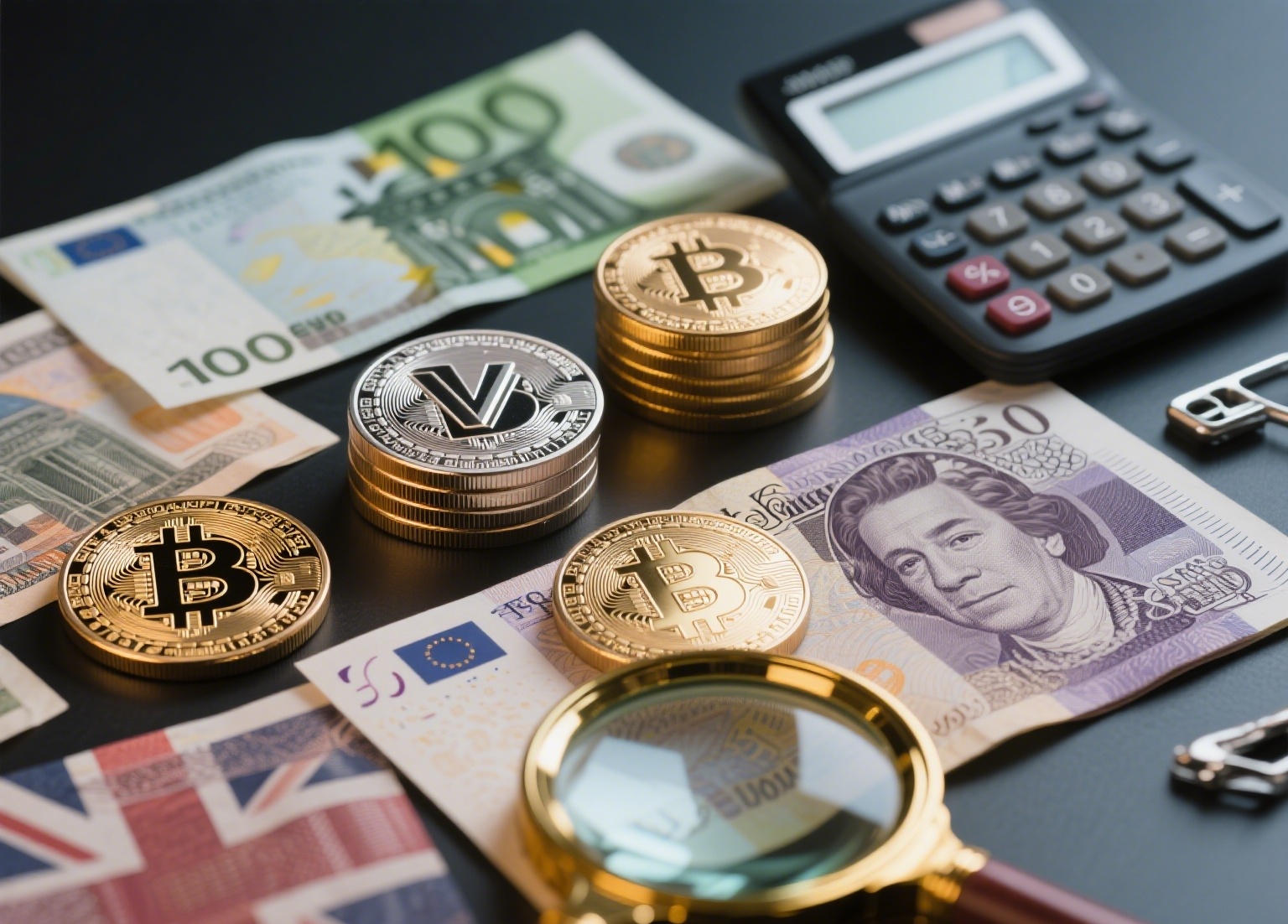
Navigating the world of cryptocurrency can feel daunting, especially when security is your top concern. With numerous platforms available, investors consistently ask: which is the safest Bitcoin trader? The answer isn't a single name, but a set of features and practices that define a secure exchange. This guide breaks down the key elements to look for and highlights the types of platforms that prioritize user safety.
Security in Bitcoin trading hinges on several non-negotiable pillars. First is custodial structure. Reputable exchanges store the vast majority of user funds in "cold storage" – offline wallets that are inaccessible to online hackers. They should also employ robust encryption (like SSL/TLS) for data transmission and store sensitive information using hashed and salted passwords. A second critical pillar is regulation and compliance. Exchanges that are registered with financial authorities in jurisdictions like the United States, the UK, or the European Union are subject to stricter operational standards, including anti-money laundering (AML) and know-your-customer (KYC) procedures, which add a layer of accountability.
Beyond these fundamentals, user-focused security features are vital. Look for platforms offering two-factor authentication (2FA) as a mandatory or strongly recommended option. Additional safeguards include withdrawal whitelisting, which restricts crypto sends to pre-approved addresses, and delayed withdrawal processing to give you time to cancel unauthorized transactions. The most secure exchanges also regularly undergo independent third-party security audits, with results often made public to demonstrate their resilience.
For many investors, particularly beginners, using a large, well-established, and regulated exchange is often the safest starting point. These platforms invest heavily in security infrastructure and insurance funds to protect user assets in the event of a breach. They typically require full identity verification, which enhances overall platform security. While they may offer slightly fewer altcoins or advanced trading features than some purely crypto-native platforms, their focus on regulatory compliance and institutional-grade security makes them a cornerstone for secure trading.
For those holding significant Bitcoin amounts, a non-custodial solution is the pinnacle of safety. This involves using a decentralized exchange (DEX) or a peer-to-peer (P2P) marketplace where you never relinquish control of your private keys. Your assets remain in your personal wallet throughout the trade. While this method places the full burden of key security on you, it eliminates counterparty risk associated with the exchange itself being hacked. This approach is best suited for experienced users comfortable with managing their own wallet security.
Ultimately, the "safest" Bitcoin trader depends on your individual needs and technical expertise. For most, a regulated, insured, and transparent centralized exchange provides an optimal balance of security, convenience, and consumer protection. Always conduct your own due diligence: research the exchange's history, review its security documentation, and never invest more than you can afford to lose. By prioritizing platforms that champion transparent security practices above all else, you can significantly mitigate risk in your cryptocurrency journey.
Post a Comment