How Does Bitcoin Mining Work? A Beginner's Guide to Mining Machines
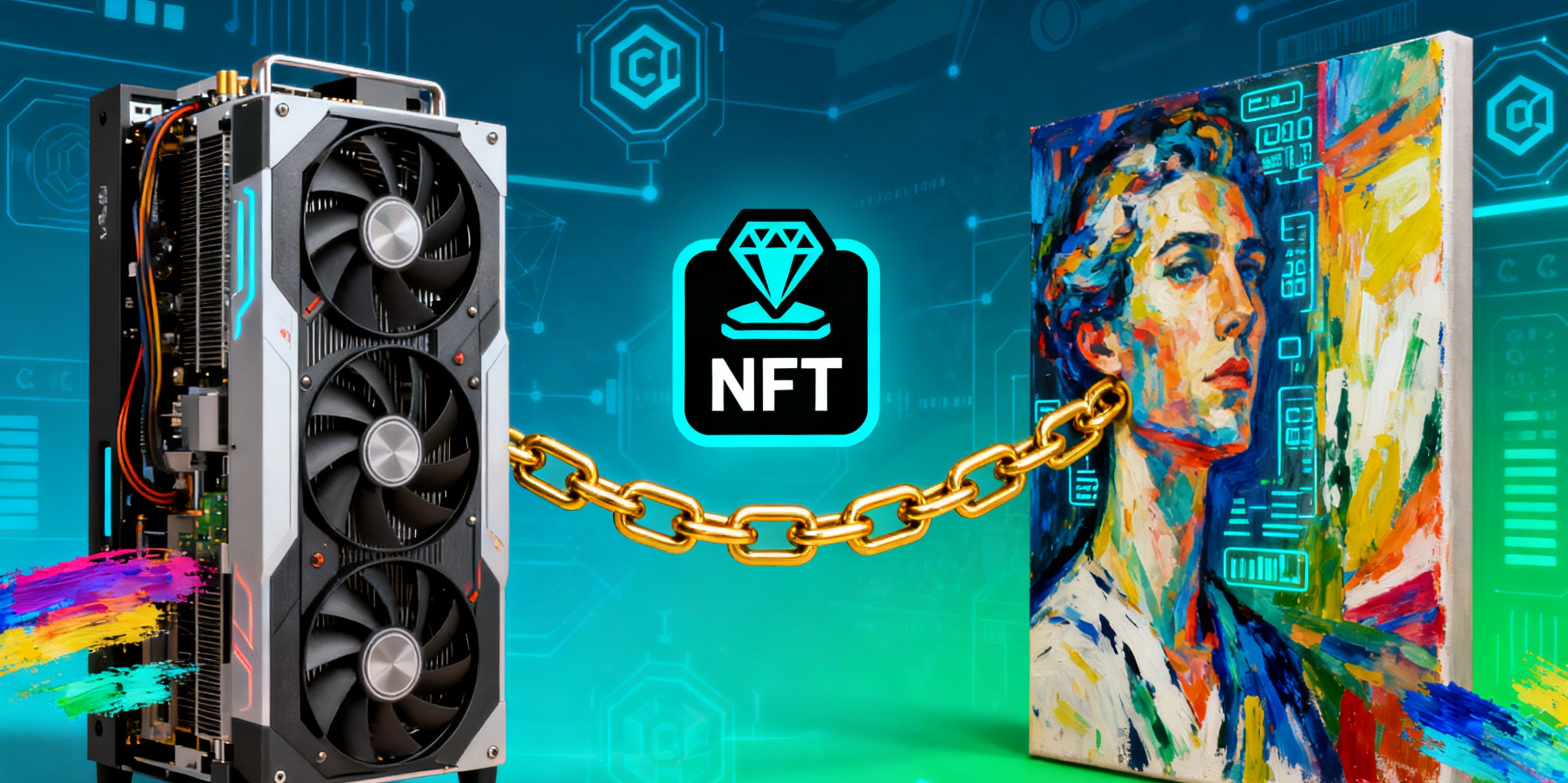
In the world of cryptocurrency, Bitcoin mining is a fundamental process that secures the network and creates new coins. At the heart of this operation are specialized computers known as Bitcoin mining machines or miners. But how exactly do these machines operate? This guide breaks down the complex process into understandable steps.
At its core, a Bitcoin mining machine is a computer designed to solve a specific type of complex mathematical problem. These problems are cryptographic puzzles derived from the data of pending transactions waiting to be added to the Bitcoin blockchain. The primary function of the miner is to take a block of transaction data and run it through a cryptographic hash function, specifically SHA-256. The goal is to produce a hash value that meets a certain, extremely difficult condition set by the network, known as the "target hash."
The operation is a relentless trial-and-error process. The mining machine takes the block data, combines it with a random number called a "nonce," and hashes the combination. If the resulting hash is not below the target, the miner changes the nonce and tries again. This happens trillions of times per second. The first machine to find a valid hash broadcasts its solution to the entire network for verification. Once confirmed by other nodes, the new block is added to the blockchain, and the successful miner is rewarded with newly minted bitcoins and transaction fees.
Modern Bitcoin mining is dominated by two types of specialized hardware: ASIC (Application-Specific Integrated Circuit) miners and, to a much lesser extent now, powerful GPU (Graphics Processing Unit) rigs. ASIC miners are the undisputed champions. Unlike general-purpose CPUs or GPUs, ASICs are custom-built for the sole purpose of computing SHA-256 hashes as efficiently as possible. This specialization makes them vastly more powerful and energy-efficient for Bitcoin mining than any other type of hardware. Popular models from companies like Bitmain and MicroBT are essentially boxes filled with hundreds of these ASIC chips, paired with robust cooling systems to manage the immense heat they generate.
The operational lifecycle of a mining machine involves several key components working in unison. First, it must be connected to the internet to receive new transaction data and communicate with the blockchain network. It runs specialized mining software that coordinates the hashing process and manages its connection to a mining pool (a group of miners who combine their computational power to increase the chance of earning rewards). The hardware itself—the ASIC chips—executes the brute-force hashing calculations. Given the enormous electrical power consumed, a reliable power supply unit (PSU) is critical. Finally, intense cooling systems, from fans to immersion cooling, are essential to prevent the hardware from overheating and failing due to the constant, high-intensity workload.
Operating a Bitcoin mining machine is not as simple as plugging it in. Profitability is influenced by several volatile factors: the price of Bitcoin, the machine's hash rate (computational power), its energy consumption, the local cost of electricity, and the overall network difficulty. Network difficulty is a self-adjusting parameter that ensures a new block is found roughly every ten minutes, regardless of how much total mining power is on the network. As more miners join, the difficulty increases, making it harder for each individual machine to find a block. This competitive landscape means miners must constantly seek the cheapest electricity and upgrade to newer, more efficient models to remain profitable.
In summary, a Bitcoin mining machine operates as a highly specialized, single-purpose computer engaged in a global computational lottery. It dedicates its entire existence to performing quintillions of hash calculations per second in a race to solve a cryptographic puzzle, thereby validating transactions and securing the Bitcoin network. While the concept is straightforward, the execution requires significant investment in hardware, electricity, and technical knowledge, all within an intensely competitive and evolving ecosystem.
Post a Comment