Bitcoin Mining for Beginners: A Step-by-Step Guide to Start in 2024
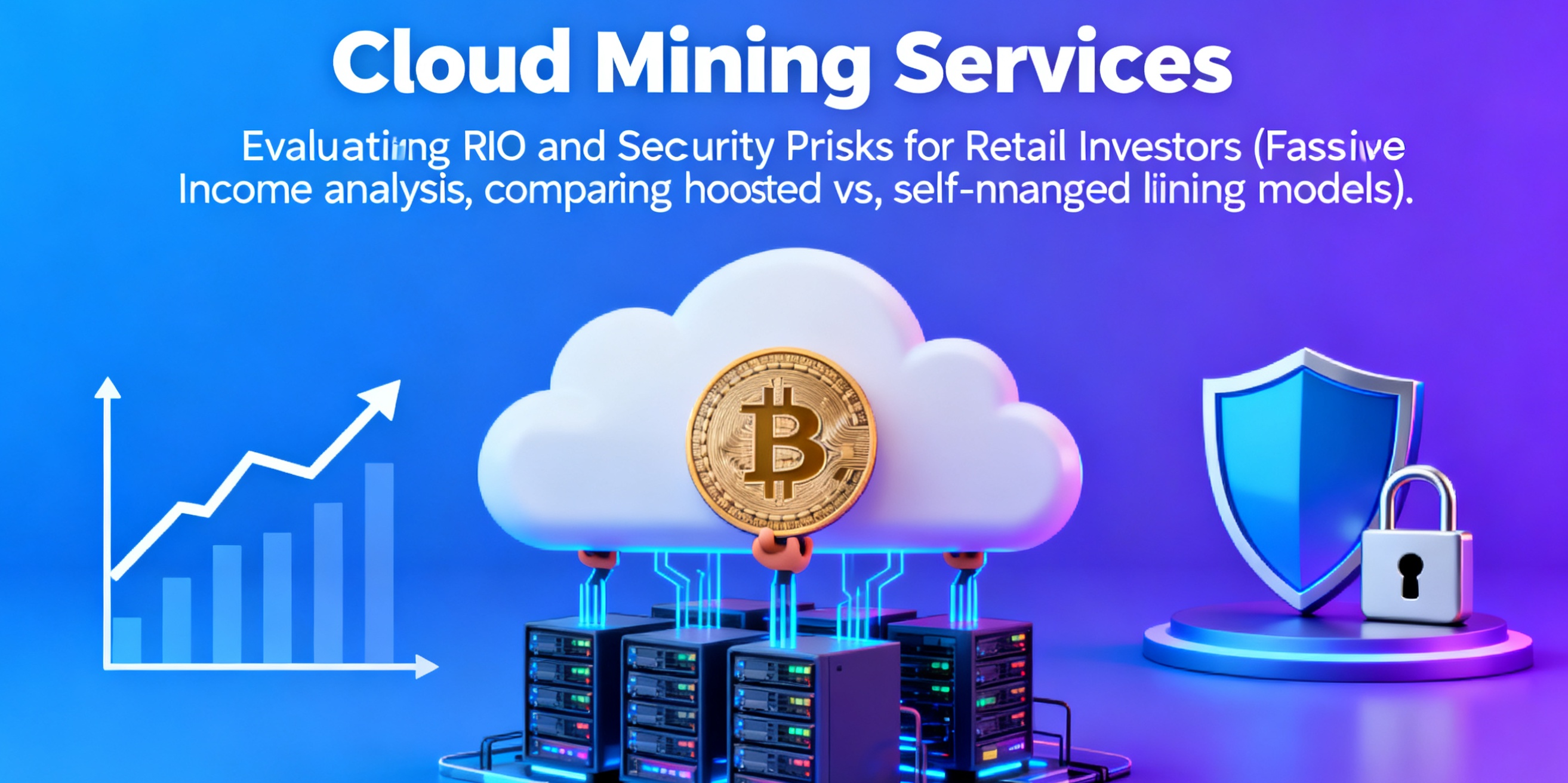
Bitcoin mining is the critical process that secures the Bitcoin network and introduces new coins into circulation. For many, it represents a fascinating entry point into the world of cryptocurrency. However, starting can seem complex. This guide breaks down how to handle Bitcoin mining, from the basics to your first setup.
At its core, Bitcoin mining involves powerful computers solving complex mathematical puzzles. These machines, known as miners, compete to validate a "block" of transactions on the Bitcoin blockchain. The first miner to solve the puzzle gets to add the block to the chain and is rewarded with newly minted Bitcoin and transaction fees. This process verifies transactions and keeps the network decentralized and secure.
Before you begin, understanding the essential components is crucial. You will need specialized hardware called ASIC (Application-Specific Integrated Circuit) miners, which are designed solely for mining Bitcoin. A standard home computer is no longer viable. You also need reliable, low-cost electricity, as mining is energy-intensive, a stable internet connection, and mining software to connect your hardware to the blockchain.
Perhaps the most critical decision is whether to mine solo or join a mining pool. Solo mining means going it alone, keeping the full block reward if you succeed. However, the odds of solving a block solo are extremely low for individual miners. Mining pools combine the computational power of many miners, increasing the frequency of earning rewards, which are then shared among participants based on contributed power. For beginners, joining a reputable pool is the most practical and steady approach.
Setting up involves several key steps. First, acquire your ASIC miner from a trusted supplier. Next, choose and install mining software like CGMiner or BFGMiner. Then, select a mining pool and configure your miner with the pool's server address and your wallet address. Finally, connect your hardware, ensure proper cooling and ventilation, and start the mining process. Monitoring your setup's performance and hash rate is vital for efficiency.
Calculating profitability is non-negotiable. Several online calculators allow you to input your hardware's hash rate, power consumption, local electricity costs, and pool fees. This calculation will show your potential earnings versus expenses. With current high competition and Bitcoin's halving events reducing rewards, mining is often most profitable where electricity is very cheap. For some, the educational value and support of the network are rewards in themselves.
Handling Bitcoin mining also requires awareness of its challenges. The significant initial investment in hardware, ongoing electricity costs, heat and noise production, and the inherent volatility of Bitcoin's price all impact returns. Furthermore, the network's difficulty adjusts regularly, meaning your miner will produce less over time unless upgraded.
In conclusion, successfully handling Bitcoin mining in 2024 requires thorough research and realistic expectations. Start by educating yourself, carefully calculate your potential profitability, begin with a modest setup, and always prioritize joining a mining pool. As the industry evolves, staying informed on technological and regulatory changes is key. For those willing to navigate the complexities, Bitcoin mining remains a compelling, if challenging, pillar of the crypto ecosystem.
Post a Comment