How Bitcoin Miners Make Money: A Complete Guide to Mining Profits
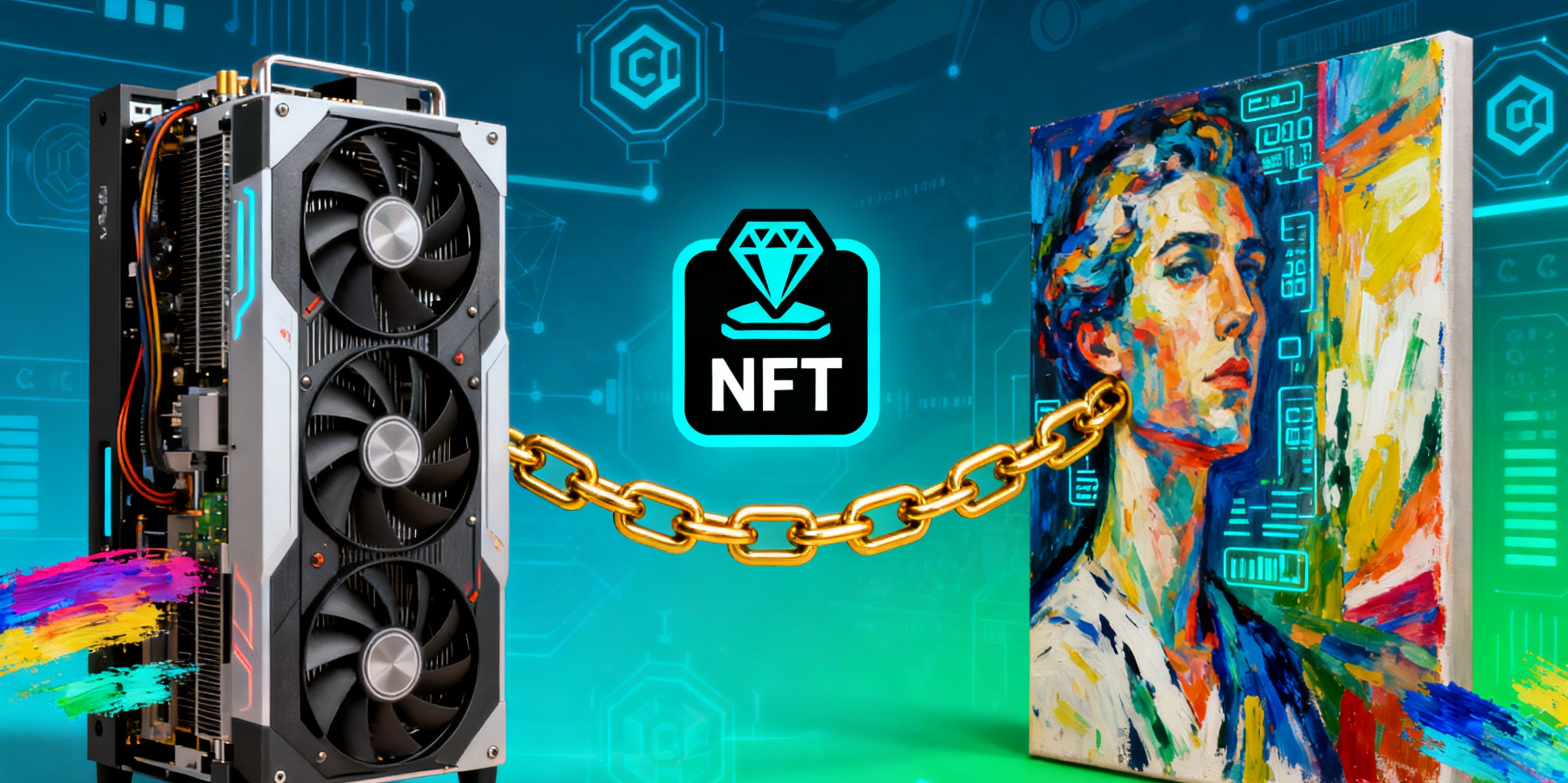
Bitcoin mining machines, often called miners or rigs, make money by performing a critical function for the Bitcoin network: verifying transactions and securing the blockchain. In return for this computational work, miners are rewarded with newly minted Bitcoin and transaction fees. This process is the backbone of Bitcoin's decentralized system.
At its core, a mining machine is a specialized computer competing to solve an extremely complex mathematical puzzle. This puzzle is part of the "Proof-of-Work" consensus mechanism. Thousands of miners worldwide race to find the correct solution. The first miner to solve the puzzle gets the right to add the next block of verified transactions to the blockchain and receives the block reward.
The primary source of income for a miner is the block reward. When a miner successfully adds a new block, they are granted a predetermined amount of new Bitcoin. This reward is cut in half approximately every four years in an event known as the "halving." Initially set at 50 BTC per block, it has decreased over time to 6.25 BTC as of the last halving, and will drop again to 3.125 BTC after the next event. This controlled supply schedule is fundamental to Bitcoin's economic model.
The secondary source of revenue is transaction fees. Users sending Bitcoin can optionally attach a fee to their transaction to incentivize miners to prioritize it. When a miner creates a new block, they collect all the fees from the transactions included in that block. As block rewards continue to diminish over decades, transaction fees are expected to become the main incentive for miners.
However, running a mining machine is not free. Major costs directly impact profitability. The most significant ongoing expense is electricity. Mining rigs operate 24/7, consuming substantial amounts of power. Profitability often hinges on accessing extremely low-cost electricity. The upfront cost of the hardware itself, such as ASIC (Application-Specific Integrated Circuit) miners, is also a major investment. Other costs include cooling systems to prevent overheating, maintenance, and internet connectivity.
Calculating profit involves weighing these rewards against the costs. Miners use a metric called "hash rate" – the number of calculations a machine can perform per second. A higher hash rate increases the chances of solving the puzzle and earning the reward. Profitability calculators, which factor in hash rate, power consumption, electricity costs, and the current Bitcoin price, are essential tools for miners. It's a highly competitive business; as more miners join the network, the puzzle difficulty adjusts upward, requiring more computational power to earn the same reward.
Many individual miners now join "mining pools" to stabilize income. In a pool, participants combine their computational power to increase the group's chance of finding a block. Rewards are then distributed among pool members proportionally to the amount of hash power they contributed. This provides a more consistent, predictable stream of income compared to solo mining, where rewards are infrequent but potentially large.
Ultimately, a Bitcoin mining machine makes money by converting electricity and hardware investment into digital currency. Its profitability is not guaranteed and fluctuates with Bitcoin's market price, network difficulty, and operational costs. It is a capital-intensive and competitive venture that plays a vital role in maintaining and operating the decentralized Bitcoin network, earning rewards for providing this essential security service.
Post a Comment