How to Mine Bitcoin: A Beginner's Guide to Cryptocurrency Mining
Bitcoin mining is the process that secures the Bitcoin network and introduces new bitcoins into circulation. While the era of easily mining with a home computer is largely over, understanding how it works is crucial for anyone interested in cryptocurrency. This guide explains the fundamentals of Bitcoin mining and the role of trading platforms within this ecosystem.
At its core, Bitcoin mining involves powerful computers, known as miners, competing to solve complex mathematical puzzles. The first miner to solve the puzzle gets to add a new block of transactions to the Bitcoin blockchain. As a reward for this work, which also verifies and secures the network, the miner receives a block reward in newly minted bitcoins plus transaction fees. This process is known as Proof-of-Work.
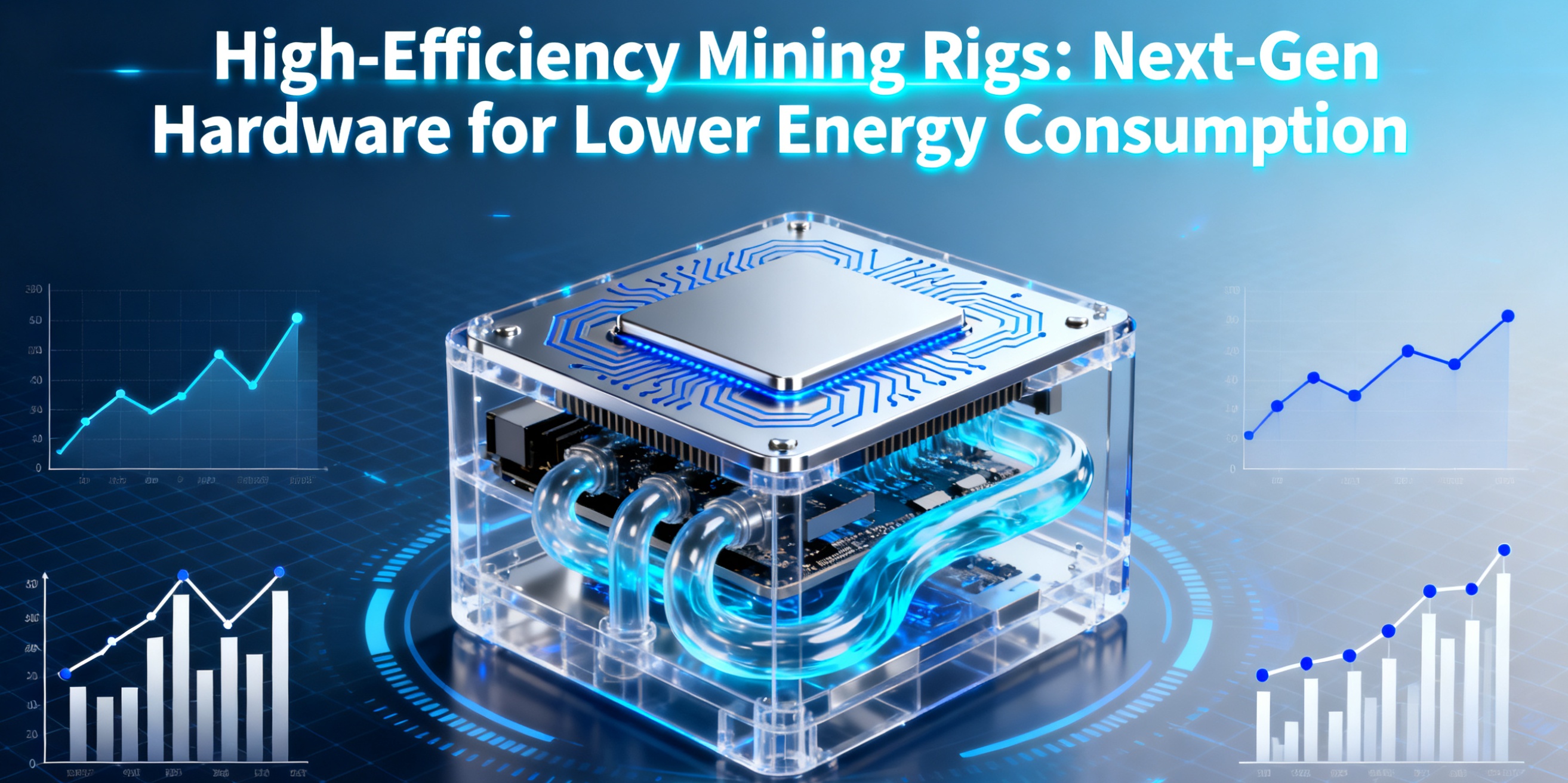
Today, successful mining requires specialized hardware called ASICs (Application-Specific Integrated Circuits). These devices are designed solely for mining cryptocurrency and offer vastly more power and efficiency than standard computer components. Mining also consumes significant electricity, making energy cost a critical factor in profitability. Most miners now join mining pools, where groups combine their computational power to increase the chance of earning rewards, which are then shared among participants.
So, where do Bitcoin trading platforms come in? Reputable cryptocurrency exchanges play several supporting roles for miners. First, they provide a secure marketplace where miners can sell their earned bitcoins for fiat currency (like USD or EUR) or other digital assets. This is how mining revenue is typically converted into spendable money. Secondly, many exchanges offer detailed market data and charts, helping miners track the value of their holdings and make informed decisions about when to sell.
Furthermore, some trading platforms have begun to offer cloud mining services or hash rate contracts. These allow users to purchase a share of mining power from a remote data center without having to buy or maintain any hardware. It is essential, however, to research these services thoroughly, as the market has seen its share of fraudulent schemes. A legitimate platform will be transparent about its mining operations, fees, and potential returns.
For those looking to start mining, the path involves careful calculation. You must consider the upfront cost of ASIC miners, ongoing electricity expenses, internet connectivity, and cooling solutions. Using an online Bitcoin mining calculator is highly recommended; you input your hardware's hash rate and power consumption along with local electricity costs to estimate potential profit or loss. Given the volatility of Bitcoin's price, mining is an endeavor that carries both operational and market risks.
In conclusion, while directly mining Bitcoin has become a highly specialized and capital-intensive industry, its mechanics remain fundamental to the cryptocurrency's operation. For the individual, engaging with the mining process often involves participating in a pool and utilizing a trusted Bitcoin trading platform to manage and liquidate earnings. Always conduct thorough due diligence, prioritize platforms with strong security measures and regulatory compliance, and never invest more than you are willing to lose in this dynamic and competitive space.
Post a Comment